

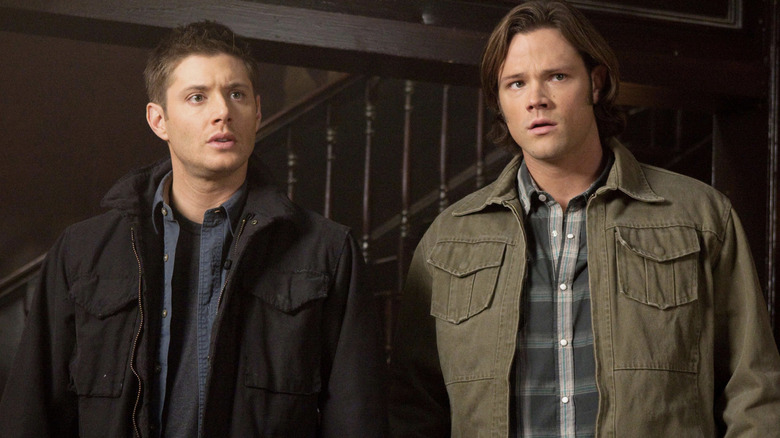
As the CW experienced plenty of turnover throughout the years, “Supernatural” remained a steady fixture of the network, weathering several different showrunners, storylines, and creative directions. Anchored by the all-star duo of Jared Padalecki and Jensen Ackles, the monster-hunting brothers, Sam and Dean Winchester, are the heart and soul of the show. But this wasn’t obvious to series creator Eric Kripke at the beginning. In fact, it took him a while to pin down the best format for the series.
Back in 2006, shortly after “Supernatural” first premiered, Kripke revealed to The Age that his early ideas would’ve taken the series in a completely different direction. Rather than exploring the Sam and Dean story, Kripke’s first pitch was an anthology series with less of a collected plot, simply pulling from different folktales and supernatural myths from across the United States. While that kind of show that would likely thrive in today’s streaming landscape, in the early 2000s, it was a harder sell.
His next idea starred a pair of reporters investigating paranormal phenomena — an angle a little bit closer to “The X-Files,” which would have been the primary point of comparison for “Supernatural” when it was first being developed. Finally, all of that plotting led Kripke to the winning formula. “I landed on this idea to have this mythic road trip across the country,” Kripke told the outlet. “And it became the best vehicle to tell these stories because it’s pure, stripped down, and uniquely American.”
Supernatural’s original pitch likely wouldn’t have found the same success
Kripke’s early frames for “Supernatural” are certainly interesting. However, while both the anthology model and the reporter angle (which was already a bit derivative of “Kolchak: The Night-Stalker”) could have been fun shows, they likely wouldn’t have reached the same levels of extreme popularity that the series ultimately took. At least not back in 2005.
“These stories exist in these small towns all across the country, and it just makes so much sense to drive in and out of these stories,” Kripke further explained. “Every small town has its ghost story or creature in the woods or a witch who’s supposedly responsible for children disappearing.” Although these more mechanical reasons for the road trip structure certainly make sense on their own, other benefits from the format change helped turn “Supernatural” supernova.
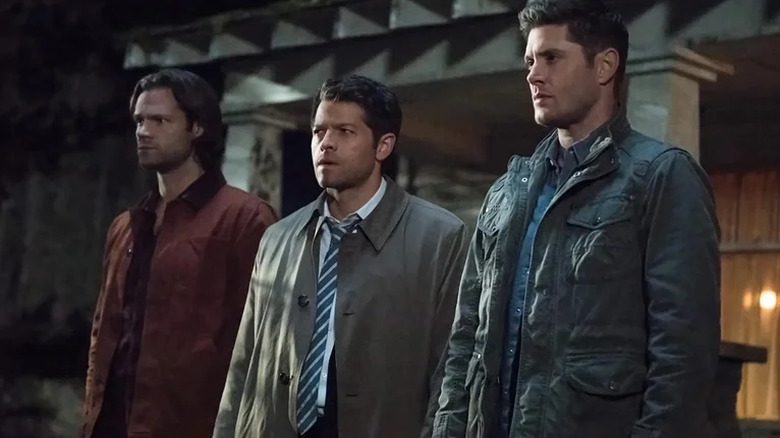
Perhaps the other unmade iterations of the show could have reached the five-season mark when Kripke departed as showrunner, having told the story he had set out to tell. But the 15 seasons? The enormous fanbase? The total dominance of American genre television? Likely not. While the paranormal trappings and folklore inspirations present in any version of the show are certainly part of its lasting appeal, anyone who was there at the height of “Supernatural’s” run knows that it was the dynamic between the brothers (and later Misha Collins’ Castiel) that really made it such a hit.
Supernatural left plenty of other promising ideas behind
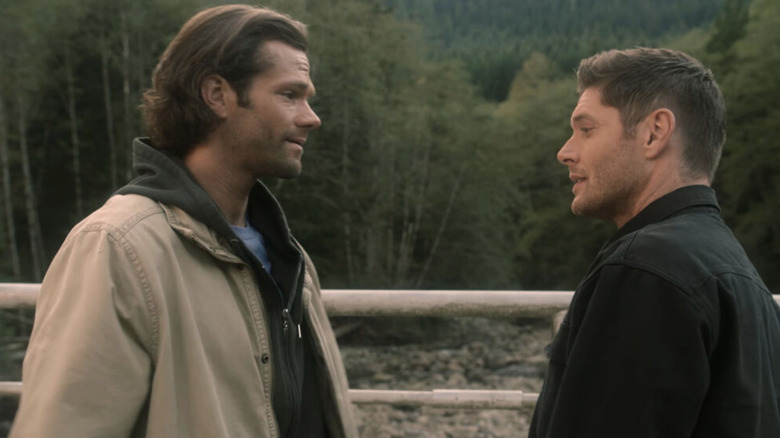
The paradoxical coziness of the road trip element, the ’67 Impala, and the familiar jokes and characters are what created the true “Supernatural” fandom. While the existential threats and constant action are necessary material, that’s not what grabbed audiences for 15 years. Had Kripke turned “Supernatural” into an anthology, what fans loved most about the show wouldn’t have existed.
Still, it’s fun to consider what might have been. Even as it was airing, “Supernatural” played with a number of spin-offs and side projects. However, just like Kripke’s original concepts for the flagship series, many of these planned offshoots never made it to fans. An urban spin-off titled “Supernatural: Bloodlines,” which would have followed a cabal of monsters in Chicago, was passed over in 2014. A few years later, moves were made toward another spin-off featuring Kim Rhodes’ Jody Mills, but “Wayward Sisters” wasn’t ordered to series either.
Although plenty of potential “Supernatural” projects died before seeing the light of a public audience, it’s hard to complain about the amount of material we did get — including more successful spin-offs like “The Winchesters.” Had “Supernatural” been an urban legend anthology, there is no telling how long it would have gone. We might not have had any of it had Kripke not decided on the winning formula of two brothers hunting demons in a great car.