There are several drive settings that you can choose from the car’s X-Mode system. There is no sport mode, but there are two different settings for how gnarly the snow and mud is. New for bZ Woodland, and part of X-Mode, is Grip Control. Grip Control is basically off-road cruise control, where the driver sets a speed and steers the car, while the on-board computers figure out how to navigate the terrain. Toyota has a similar system in its Crawl Control, but since the system is shared with Subaru on Trailseeker they probably couldn’t call it that.


Speaking of the Subaru Trailseeker, the Toyota bZ Woodland is nearly identical to the Subaru. Both EVs are built at Subaru’s plant. Both have similar features. In fact, the main difference is the Subaru is approximately $5,000 less to start. The reason? There is a decontented base version that Subaru gets. The standard bZ Woodland has the same feature set as the Trailseeker Limited. While I haven’t driven the Trailseeker yet, I can’t imagine the experience being any different than the Toyota, so depending on what features you want or need, you could save some money by going with the Subaru.
Toyota
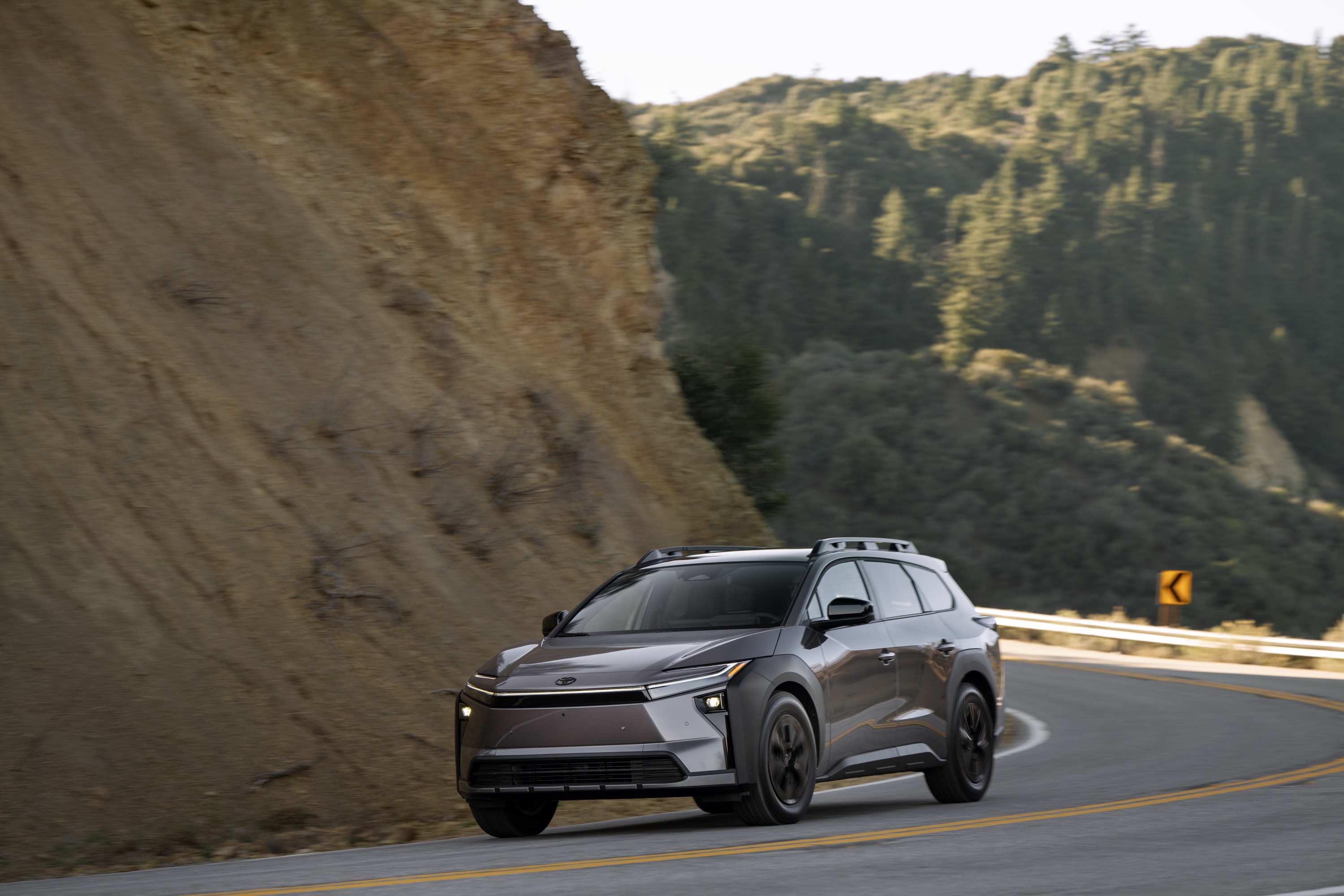
On-road manners are good, with a softer ride than some other EVs in this price range.
Toyota
Toyota
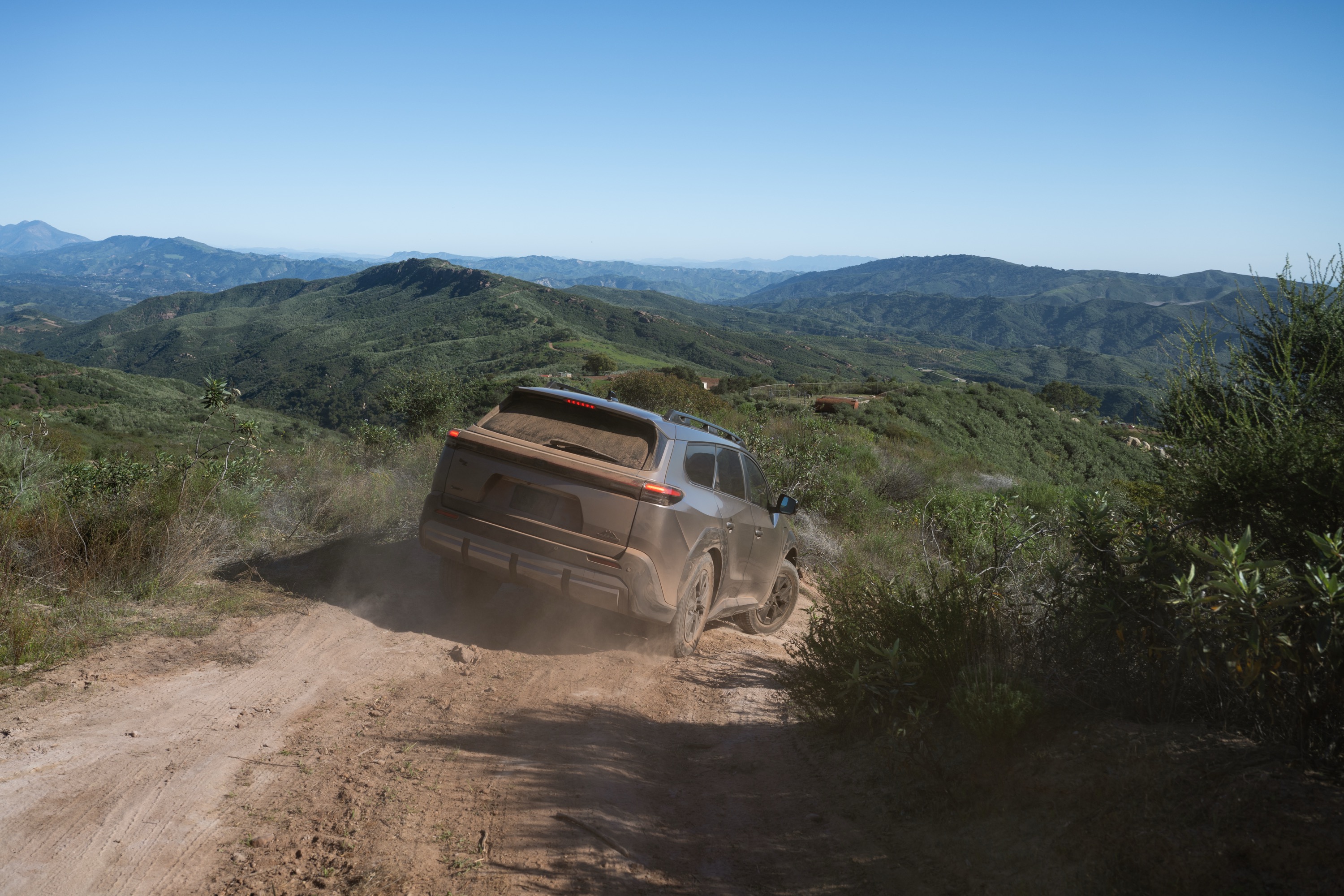
If you do need to get dusty, the bZ Woodland can cope.
Toyota
On-road manners are good, with a softer ride than some other EVs in this price range.
Toyota
If you do need to get dusty, the bZ Woodland can cope.
Toyota
What it costs
Speaking of pricing, the standard bZ Woodland starts at $46,750. The Subaru, remember, starts at $41,445. But that’s also a less-equipped model. $45,445 with delivery in most states gets you into the similarly equipped Trailseeker. The Subaru gets 20-inch wheels on some models, which you really don’t want because taller sidewalls improve ride quality and reduce the risk of punctures.