Before Fisker’s 2024 bankruptcy, just 419 Fisker Oceans made it into British driveways. One unfortunate buyer, a marketing manager from Southampton, experienced the worst of the brand’s teething troubles. After taking delivery, her Ocean was plagued by persistent software glitches. Following a call to Fisker, engineers were dispatched to collect the vehicle for repairs, but when the car was due to be collected, it refused to start. Mere days later, Fisker declared insolvency, leaving the Ocean stranded as a 5,500 lb (2,500 kg) driveway ornament for the next ten months with no solution in sight.



Preceding Fisker, there was Better Place. Founded in 2007, Better Place wasn’t a car manufacturer but an EV infrastructure and software company that promised to solve range anxiety through battery-swap stations. Its entire model relied on centralized servers, subscriptions, and proprietary software to authenticate vehicles and manage battery exchanges. The flagship car for this system was the Renault Fluence Z.E., an electric sedan sold primarily in Israel and Denmark.
Better Place filed for bankruptcy in May 2013 after burning through $850 million, leading to Renault closing the Fluence Z.E’s Turkish assembly line. Servers were shut down, battery-swap stations stopped operating, and backend software used for authentication, charging, and fleet management disappeared, leaving many cars bricked.
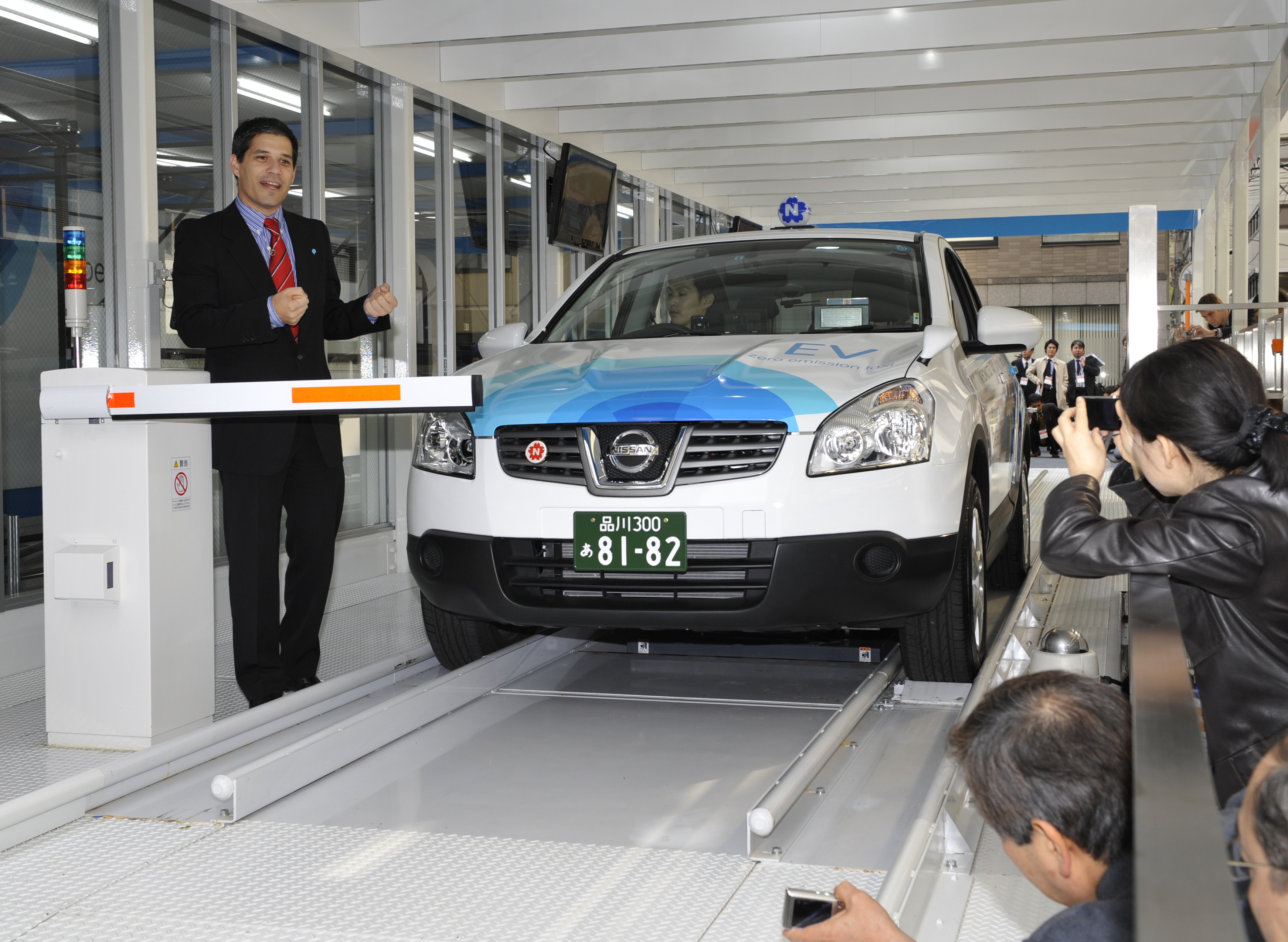
Credit:
KAZUHIRO NOGI/AFP via Getty Images
Better Place founder and CEO Shai Agassi showing off a battery-swap station for electric taxis in Tokyo on April 26, 2010. Three years later, the company was done.
Credit:
KAZUHIRO NOGI/AFP via Getty Images
These cases highlight a broader shift in the auto industry, where long-term ownership is increasingly dependent not just on mechanical durability but on continued access to proprietary software and manufacturer support.
“When a modern car’s software misbehaves, you don’t fix it yourself—you call the manufacturer,” said Stuart Masson, founder and editor of The Car Expert. “They control the code. At that point, you’re not dealing with a traditional service department so much as an IT help desk.”