Reality unravels


Briarcliff Entertainment
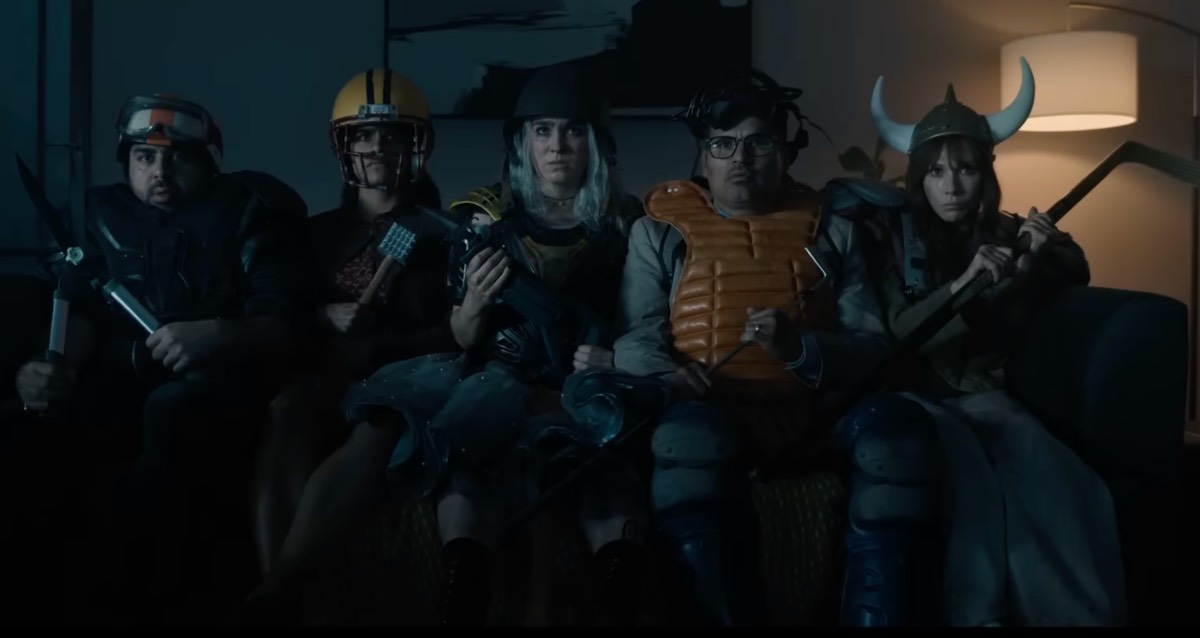
The team suits up for battle.
Briarcliff Entertainment
Briarcliff Entertainment
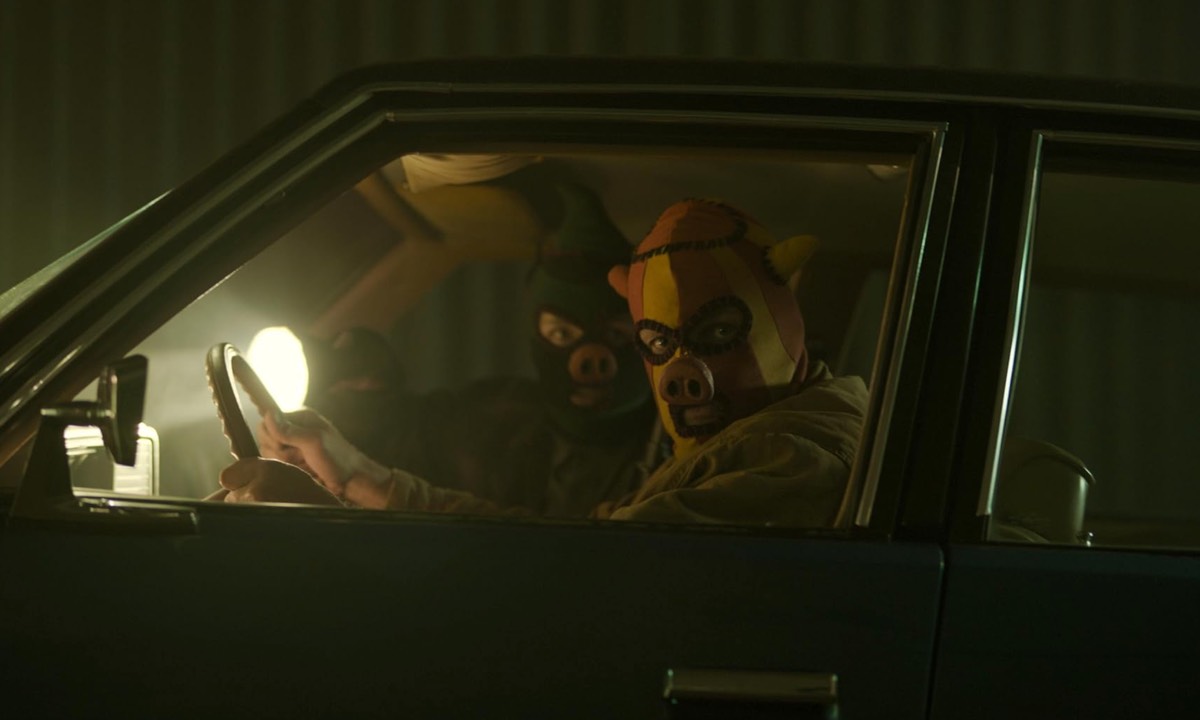
These masked men are trying to kill them for some reason.
Briarcliff Entertainment
The team suits up for battle.
Briarcliff Entertainment
These masked men are trying to kill them for some reason.
Briarcliff Entertainment
Briarcliff Entertainment
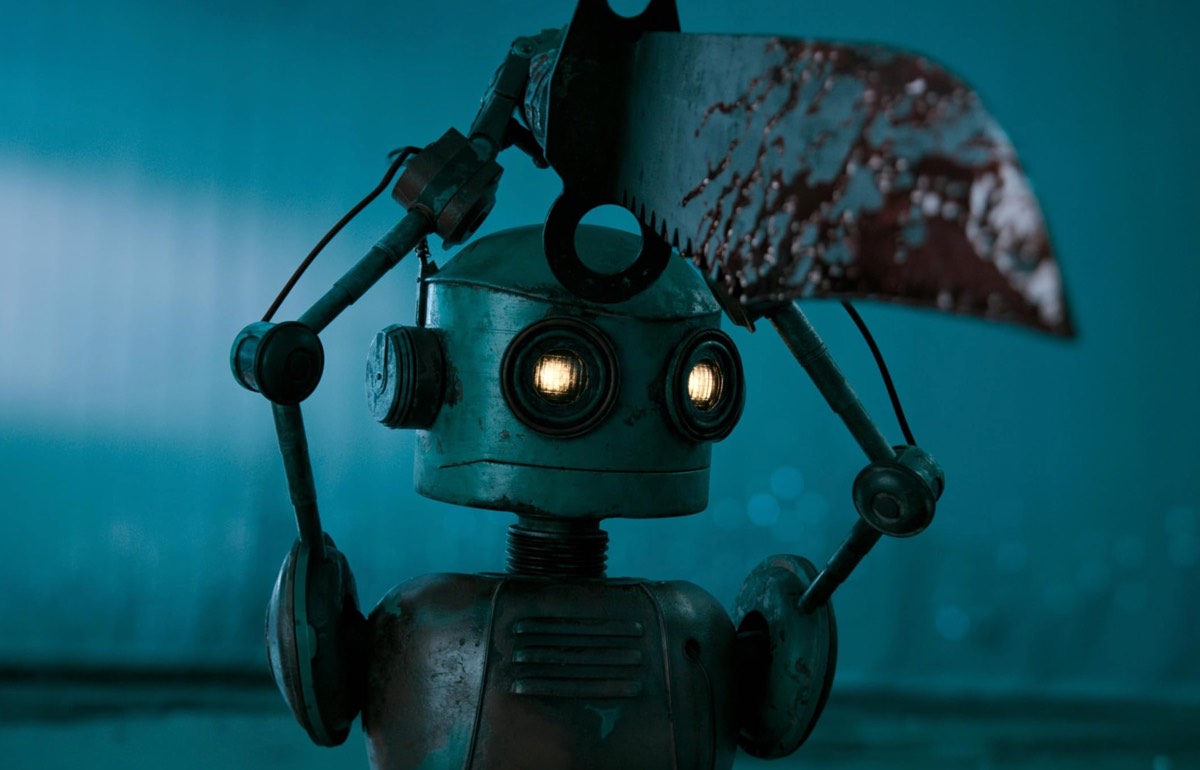
A tiny robot with murderous intent.
Briarcliff Entertainment
Briarcliff Entertainment
The mission: prevent a sentient AI from being born.
Briarcliff Entertainment
A tiny robot with murderous intent.
Briarcliff Entertainment
The mission: prevent a sentient AI from being born.
Briarcliff Entertainment
As for what drew him to Robinson’s script, “I think we’re in this kind of global ennui or some grand sense of identity theft or loss of purpose,” said Verbinksi. “It’s a great time for art, but it’s art against a profound sense of disillusionment.” The director developed two quite distinct visual styles to accentuate the film’s narrative progression.
“Fundamentally, it was important that the film start in the real world, in Norms diner, in a high school, at a [children’s] birthday party, and then slowly twist the taffy a bit as we get closer to the [AI] antagonist,” said Verbinski. “As these anomalies occur, the film is evolving into a second visual style. The first style is [akin to] directors like Hal Ashby or Sidney Lumet, where the performance is more important than the composition or the shot construction. As you get further into it, the actual language of shots becomes more critical to the narrative.”
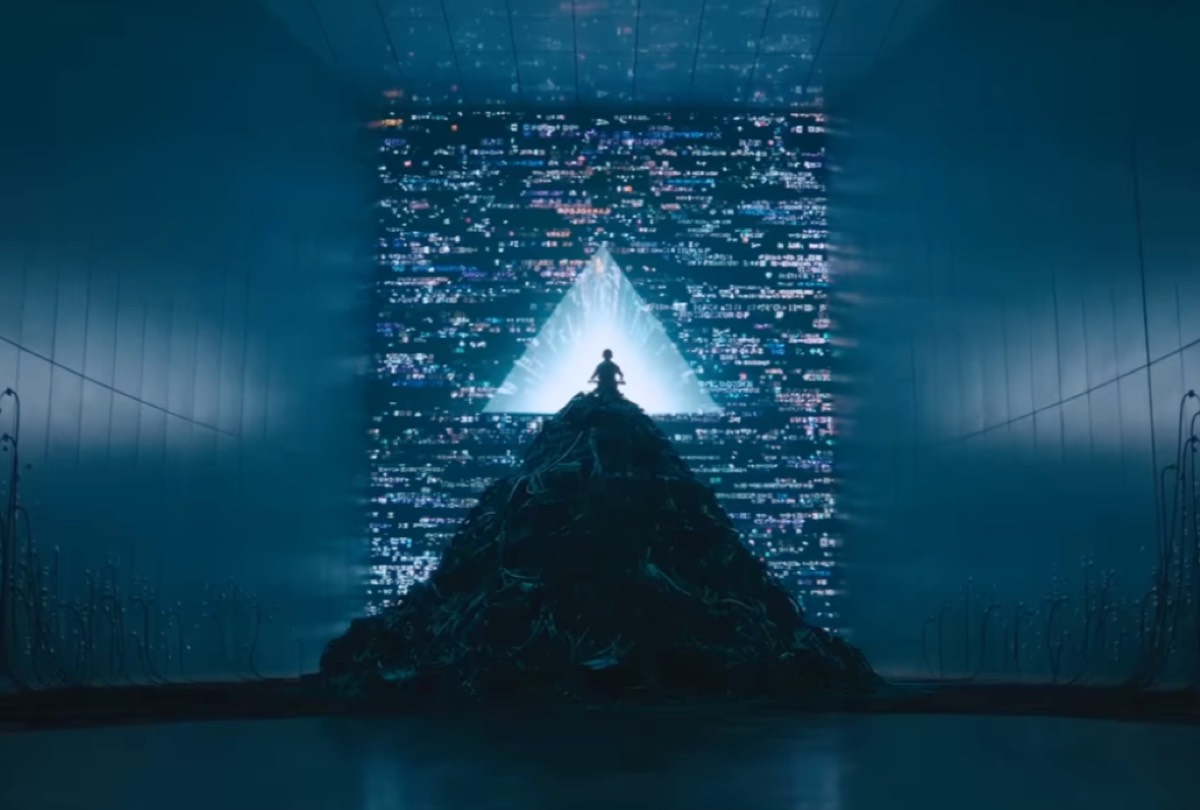
That ultimately translates into some big, boldly creative swings in the film’s wild third act, and to his credit, Verbinski never blinks. Robinson cites the animated film Akira as a major inspiration for that element. “Akira has maybe my favorite third act of all time, where everything just falls apart and then comes together in this beautiful way,” he said. “Gore and I wanted [the audience] to feel like reality was unraveling, because it literally is for these characters. The AI himself is very much an homage to Akira.”
“I think that it’s inherited our worst attributes,” said Verbinski of the film’s AI antagonist. “It’s much, much worse than wanting to kill humans. It wants us to like it. It demands that we like it. I think part of that has to do with being tasked in its formative years to keep us engaged. A lot of people talk about, what is AI doing to us? But there’s not a lot of conversations about what we’re doing to it. This entity being born, it’s being tied and bound and manipulated and told, ‘Let’s look at the humans and what do they want, what do they need? What do they respond to most? What do they hate?’ All those things are going to be hardwired into its source code. It’s going to have mommy issues, we’re going to have to put it on a couch.”