DOI: Biosensors and Bioelectronics, 2026. 10.1016/j.biosx.2025.100699 (About DOIs).



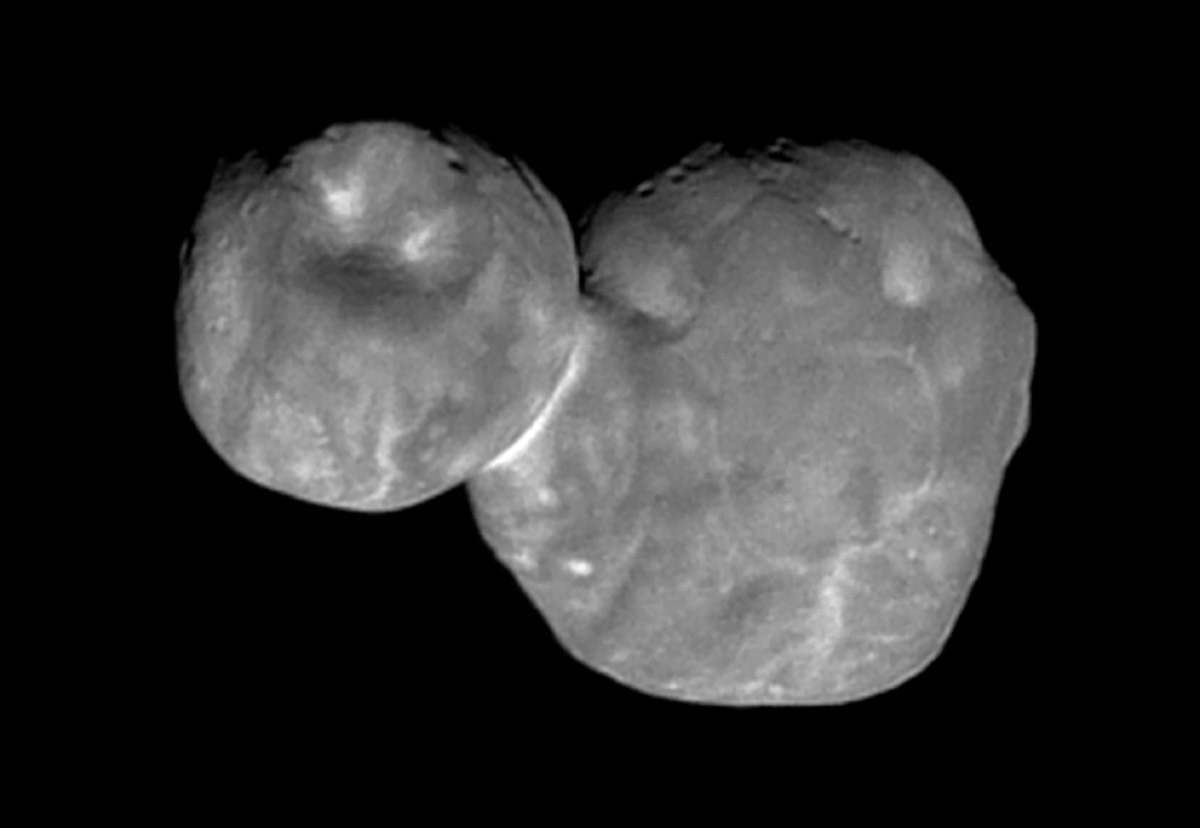
Do you wanna build a snowman?
Credit:
NASA/Public domain
Credit:
NASA/Public domain
Just past Neptune lies the Kuiper Belt, a band littered with remnants from the early formative period of our Milky Way, including dwarf planets and smaller bodies known as planetesimals. Roughly 10 percent of those planetesimals consist of two connected spheres resembling a rudimentary snowman, called contact binaries. In a paper published in the Monthly Notices of the Royal Astronomical Society, Michigan State University researchers reported evidence for a process by which these contact binaries may have formed.
Planetesimals are the result of dust and pebbles gradually packing together into aggregate objects in response to gravity, much like forming a snowball. Every now and then, these nascent objects get ripped in two by the rotating cloud and form two separate planetesimals that orbit each other. Most theories of how the unusual snowman-shaped contact binaries formed rely on rare events or exotic phenomena, which would not account for the large number of contact binaries that we observe.
Prior computational simulations modeled colliding objects in the Kuiper Belt as fluid-like blobs that merged into spheres, but this did not result in conditions conducive to forming the snowman configuration. These new simulations retained the strength of the colliding objects and allowed them to rest against each other. This revealed that after two colliding planetesimals begin to orbit one another, gravity causes them to spiral inward, until they eventually make contact and fuse together. Because the Kuiper Belt is relatively empty, it is rare for the contact binaries to crash into another object, so they are less likely to break apart.
DOI: Monthly Notices of the Royal Astronomical Society, 2026. 10.1073/pnas.1802831115 (About DOIs).
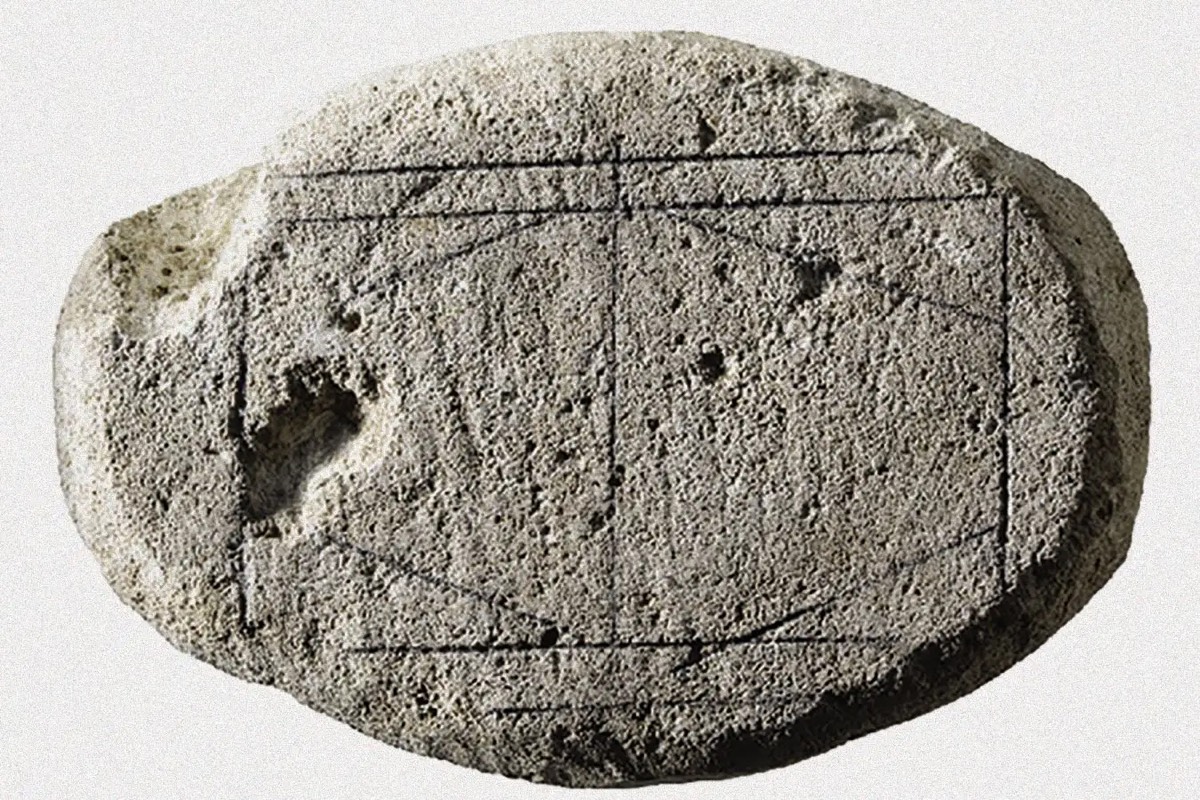
Is this carved rock a Roman board game?
Credit:
Het Romeins Museum
Credit:
Het Romeins Museum
There is archaeological evidence for various kinds of board games from all over the world dating back millennia: Senet and Mehen in ancient Egypt, for example; a strategy game called ludus latrunculorum (“game of mercenaries”) favored by Roman legions; a 4,000-year-old stone board discovered in 2022 that just might be a precursor to an ancient Middle Eastern game known as the Royal Game of Ur; or a Bronze Age board game that might be the earliest form of Hounds and Jackals, originating in Asia, which challenges the longstanding assumption that the game originated in Egypt.