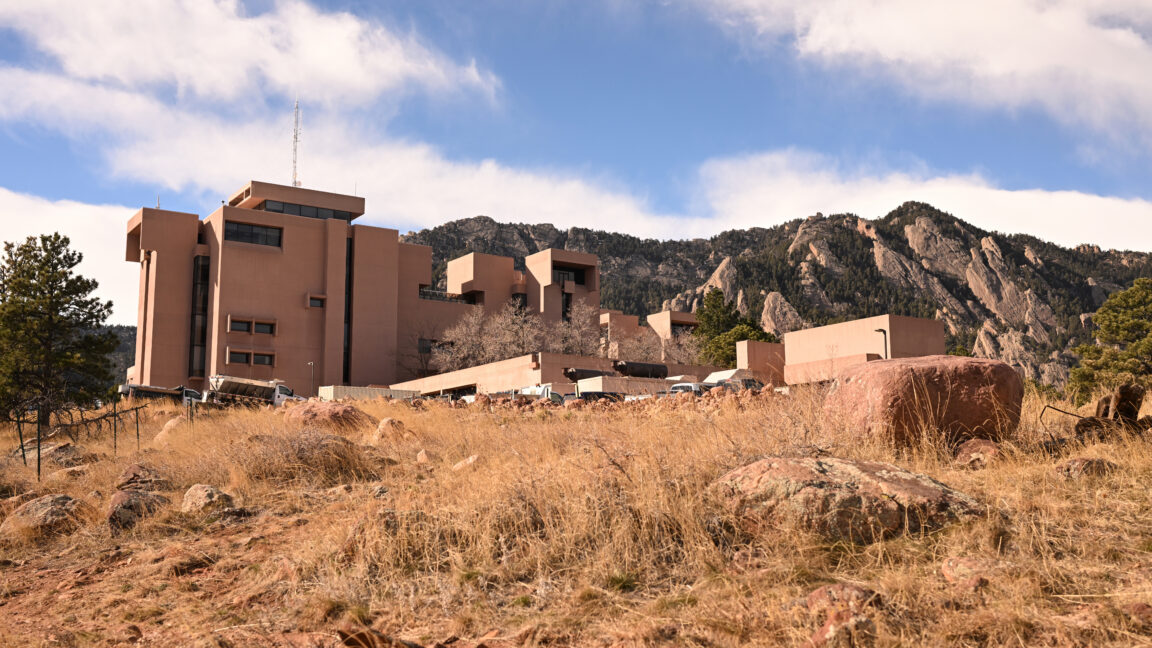
The suit also alleges that this is part of a pattern of attacks on Colorado. Earlier in 2025, the US government moved a major Space Command facility from Colorado to Alabama. “When issuing his decision,” the suit continues, “the President stated that ‘the problem I have with Colorado’ is that ‘they do mail-in voting’ and that this ‘played a big factor’ in the decision.”



The suit notes that, on the same day as the NCAR announcement, the Department of Transportation killed $110 million in grants for projects in Colorado. Less than a week later, the Federal Emergency Management Agency rejected disaster relief requests from the state. And at the end of the month, Trump issued the first veto of his second term, rejecting a Colorado water management project. The suit presents these as indications that NCAR was just a casualty of this wide-ranging attack on a state that has opposed some of Trump’s agenda, and that the decision to close it was “untethered to any reasoned decision making.”
One thing that’s notable is that the suit does not even mention another potential motivation. NCAR is a major center of research on climate change, which the administration has repeatedly denigrated as a green scam, which would also have difficulty passing the reasoned decision-making standard. That said, there is a growing record of administration decisions that have been blocked based on the arbitrary and capricious standard. Courts have also been more willing than in Trump’s first term to look to public statements by administration figures (including Trump himself) as guides to the motivations behind decisions as well.
Regardless of how the case turns out, the discovery process is likely to provide a window into the actions of the head of the Office of Management and Budget, Russell Vought, who has largely stayed out of the public spotlight despite a controversial tenure in that office.