


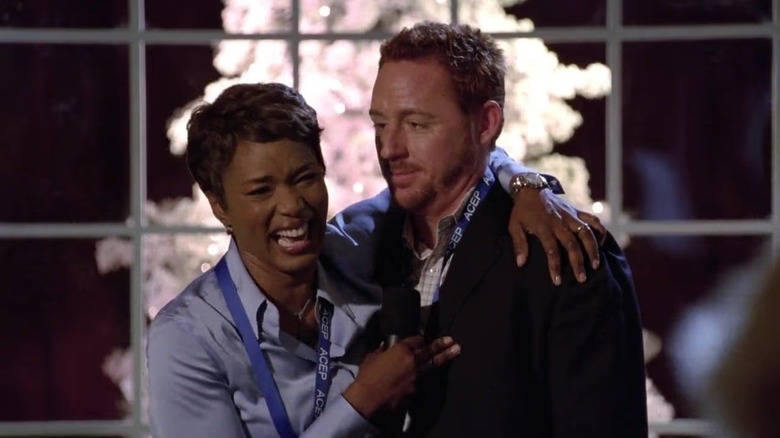
“ER” was the foundation of the modern medical drama, of which there’s enough to rank the current best, and fueling “The Pitt” as appointment television. Long before Noah Wyle’s return to a hospital setting, “ER” would win 23 Emmys, 25 Golden Globes, and much more during its run. The show would end after 15 seasons on NBC, with an abruptness that made fans wonder at the time if it had been quietly cancelled. That’s not the truth.
The medical drama was so massive that the New York Times released a post-mortem in March of 2009, shortly before the final episode in April, which explained why “ER” was ending. “The show’s end has been predicted each year for at least the past three; early this season NBC executives still talked of possibly renewing it for one more September,” Bill Carter writes for the Times, “but [the show’s original executive producer John] Wells and Warner Brothers studio chiefs decided the show should go out while it still held a respectable audience.”
The studio and the series itself decided to go out on top, making the call during Season 15 to wrap things up. The now-final season launched in late September 2008, featuring 22 episodes.
Ending on a high note
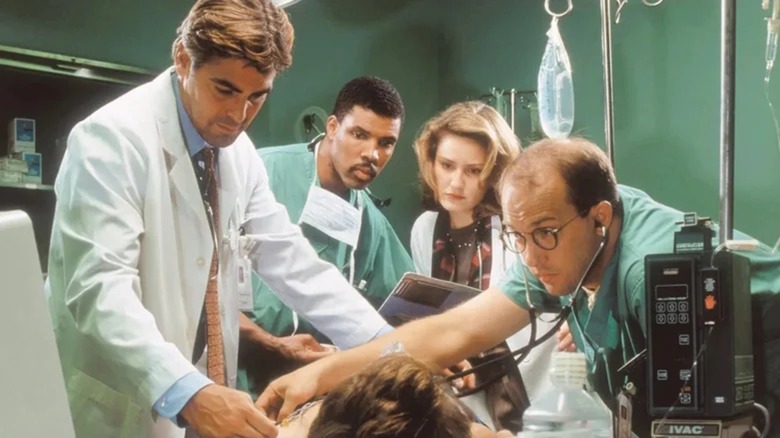
“ER” was still on top when it decided to end. The New York Times recalled that the show boasted 47.8 million viewers an episode “at its very peak in 1998,” and that the series was the second most-watched series on NBC at the time, with “Law and Order: SVU” in the top slot. Today, “ER” is known as the second longest-running medical drama behind “Grey’s Anatomy.”
One reason “ER” was able to stay on the air for so long was a strong, professional cast that included George Clooney, Noah Wyle, Julianna Margulies (whose character was supposed to die after just one episode), and many more, becoming reliable figures for an audience eager for more drama.
An acting tradition carried on from “M*A*S*H” helped each performer hone their performance. Noah Wyle, who left “ER” after eleven seasons, told the New York Times that the tradition was taught to them by Alan Alda. Called a “gut check,” it consisted of the cast meeting regularly to pick apart each other’s work. The exercise instilled the importance of movement in the cast, ensuring each member was a kinetic part of the story. The emergency room is a high stakes, fast-paced environment. “ER” portrayed that with critically-acclaimed excellence.