Not quite full balayage, not quite single color: hair contouring is the hair technique that brightens dull complexions and rejuvenates the face. Inspired by make-up, its subtly bright effect illuminates the face naturally. How does it work? By playing with reflected light to soften features and awaken the complexion. Here, Paris-based stylist Étienne Sekola explains how it works.


What is hair contouring?
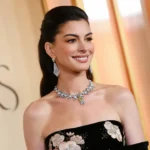
Hair contouring is a very light balayage technique that targets only the hair around the face. Unlike a classic balayage, which works on the whole head of hair, here it’s all about a few strategically placed strands. For Sekola, the objective is clear: “To bring light into the face through subtle lightening. These well-placed touches of color soften features, illuminate the complexion, and immediately give a fresher, younger, more rested effect, while remaining very natural.”
This technique, which straddles the border between balayage and coloring, makes it possible to brighten face shadows and enliven the entire head. The result is an immediate healthy glow—like you’d get from a weekend outdoors, without the windswept mess or the sunburn.
Hair contouring is an excellent alternative for those who want a change without radically transforming their color or needing extensive upkeep. Because even if the result is almost imperceptible, the effect is extra flattering.

Samir Hussein
Is hair contouring high-maintenance?
“It’s an extremely easy technique to maintain,” says Sekola. “Because the work is light and blended, balayage can evolve naturally over time. Maintenance is recommended at least every three months, but some people can easily wait six to eight months depending on the desired effect.” You shouldn’t see pronounced roots or harsh regrowth, as the color naturally patinas over time.
Which cuts are best for hair contouring?
The secret of successful hair contouring is movement. “The more layered the cut, the more visible and flattering the hair contouring is. It works less well on very blunt cuts, such as a strict bob. Ideally, you should be able to run your hand through the hair: movement reveals the play of light. The aim is to create an impression of natural radiance, as if nothing had been done,” explains Sekola. In other words, layered hair that’s medium-to-long and soft, wavy styles seem to work best for hair contouring.
What to ask for at the salon
The main rule is lightness. Above all, this is a minimalist, effortless look. “It’s best to go for discreet contouring, with very few extra-light areas,” says Sekola. For example, on a dark chestnut base, you don’t want highlights that are too blonde. Instead, opt for chestnut or light chestnut to create a soft, harmonious result.