Notably, one resident in Huddleston’s county who received an offer, 75-year-old Timothy Grosser, even declined a proposal to “name your price” when a tech company sought to buy his 250-acre farm, The Guardian reported.



“There is none,” Grosser said.
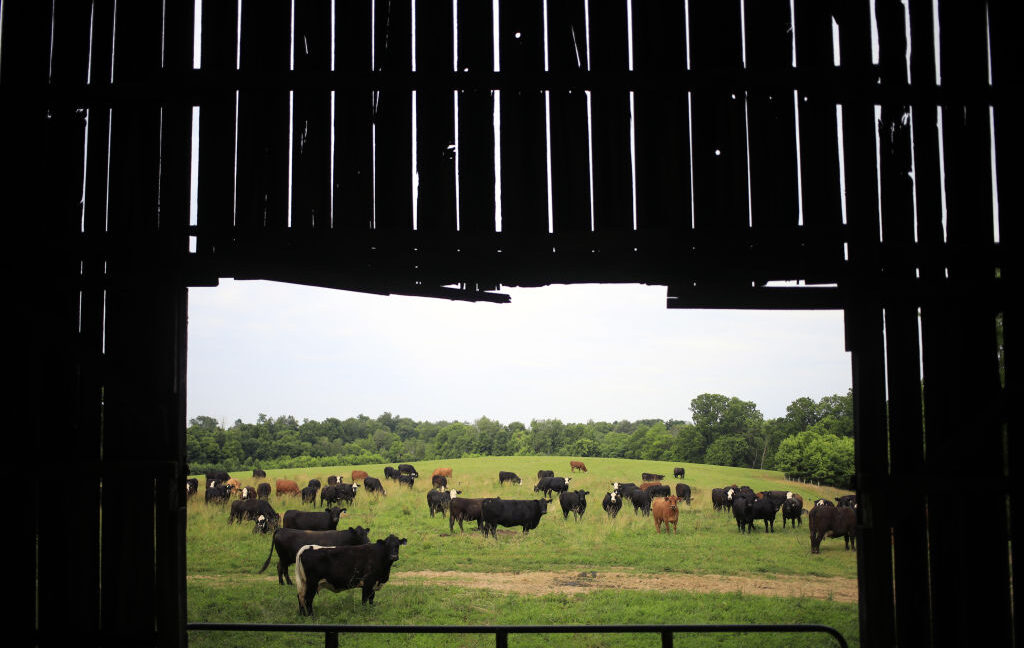
The farm is where he “lives, hunts, and raises cattle” and where his grandson hunts a turkey every Christmas for the family feast.
“The money’s not worth giving up your lifestyle,” Grosser said.
Another farmer in Wisconsin, Anthony Barta, reportedly fretted about what would happen to his neighbors if he took a deal he was offered—showing the deep bonds of people whose farms have bordered each other for years. In his community, another farmer was offered between $70 million and $80 million for 6,000 acres.
“Me and my family, we own the farm and run close to 1,000 animals,” Barta said. “What would that do if that’s next to it? Can they even be there? You know, that’s our livelihood—the farm. We’re just concerned what, if it would go through, what would happen to us and our neighbors and farms and our community? What would happen to that?”
Some tech companies are apparently not taking “no” for an answer. At least one farmer who spent 51 years milking cows in Pennsylvania prior to the AI boom described tech companies as “relentless.”
Eighty-six-year-old Mervin Raudabaugh, Jr., found a creative solution to end the pressure to sell two contiguous farms. He reportedly staved off developers by turning to “a farmland preservation program dedicating taxpayer dollars toward protecting agricultural resources.”
By working with the program, Raudabaugh will only receive about one-eighth of what the developers were offering. But he said it’s worth it to know his land would be preserved for farming purposes and out of reach of persistent tech companies.
“These people have hounded the living daylights out of me,” Raudabaugh said.
Data center deals come amid fragile farm economy
For people in rural communities, data center fights go beyond concerns about water and electricity consumption—although those are concerns, too. Communities are defending the character of the land, which they don’t want to see suddenly disrupted by extensive construction, data center noise pollution, or untold environmental impacts from massive operations.