Britain’s economy could face a “very significant” hit from the war in Iran, the UK’s official forecaster warned on Tuesday, as the conflict threatened to derail chancellor Rachel Reeves’ promise to deliver “stability”.


Against a backdrop of market turmoil, the Office for Budget Responsibility downgraded Britain’s growth forecast to 1.1 per cent in 2026 but admitted that its projections were subject to huge uncertainty.
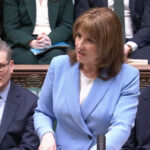
Reeves presented the new official economic forecasts to MPs, but the figures were prepared before the US-Israeli war in Iran started at the weekend, triggering a surge in energy prices and rattling global markets.
The OBR said: “Conflict in the Middle East, which escalated as we were finalising this document, could have very significant impacts on the global and UK economies.”
The fiscal watchdog expects slower growth this year but upgraded its forecasts for 2027 and 2028 to 1.6 per cent from 1.5 per cent previously.
Reeves said the OBR had projected inflation to fall faster than it had expected in the autumn. The chancellor said that the “headroom” she has built against her fiscal rules, which stood at £21.7bn following November’s Budget, had grown to £23.6bn.
The chancellor addressed MPs as the gilt market fell victim to the global bond sell-off, with the 10-year gilt yield surging by 0.14 percentage points to 4.51 per cent, as a rise in energy prices prompted traders to scale back bets on interest rate cuts from the Bank of England.
The chance of a quarter-point interest rate cut at the BoE’s meeting this month has fallen to about 25 per cent from 90 per cent on Friday, according to levels implied by swaps contracts. Traders are now expecting just one cut by the end of the year, down from two reductions last week.
But fund managers welcomed an announcement from the government that it would sell £252bn of gilts in the year to March 2027, in line with investors’ expectations and down from £304bn in the previous year.
The movements reflect concern that the UK is heavily exposed to surging gas prices, which threaten to impede the BoE’s efforts to return inflation to its 2 per cent target. Consumer price inflation was 3 per cent in January.
Higher energy prices hit UK consumers most immediately through petrol pump prices, with each $10 per barrel rise in the oil price typically adding about 0.1 percentage point to CPI inflation within months, and as much again as higher costs pass down supply chains.
Household energy bills are slower to react, so the rise in wholesale gas prices would not be felt until July, when the regulator Ofgem next updates its energy price cap. When prices do adjust, however, the UK tends to be affected more than other European countries, since its electricity price is determined by the gas price far more often than the Eurozone average.
Households are especially sensitive to changes in the price of daily essentials, such as food and fuel, so the BoE will worry that the latest shock will make underlying price pressures more persistent.
Reeves sought to project an image of confidence and calm in her big economic statement, telling MPs she had the “right” plan for the British economy and that she had brought order to the public finances.
The chancellor repeatedly used the word “stability”, but events in the Gulf have left her strategy — founded on hopes of falling inflation, lower interest rates, rising business confidence and improving living standards — in peril.
Reeves attempted to make a virtue of the fact that she reinforced the public finances in her last Budget in November and that her decisions had provided a bedrock for Britain to withstand the new turbulence.
“This government has the right economic plan for our country in a world that has become yet more uncertain,” she said.
Reeves had promised a no-frills spring forecast, with no new policy or tax changes, focusing instead on what she believes are encouraging signs of revival in the British economy.
There were no fresh policies, although the chancellor said she would make a speech this month on boosting growth, which would include plans to improve trade links with the EU. She said developing AI and spreading economic growth across the UK were the two other main themes.
Reeves’ decision in her November Budget to boost her headroom against her key fiscal rule to £21.7bn was intended to reassure bond markets and had helped to bring down government borrowing costs.
But the reaction of gilt markets on Tuesday to the war in Iran was a reminder of the vulnerability of the UK public finances, where about £100bn a year is spent on servicing government debt.
Reeves delivered a warning to her critics on the Labour left to forget the idea that she should loosen fiscal discipline with higher borrowing and spending. “We must reject the temptation of easy answers and reckless borrowing,” she said.
The chancellor gave a coded warning to her restive party not to ditch Sir Keir Starmer as prime minister, saying that “political instability would put at risk all the progress we have made”.
Much of Reeves’ speech, which ran to about 25 minutes, was spent listing her previous policies and launching attacks on the Conservatives, Reform UK and Greens.
“Is that it?” said Sir Mel Stride, shadow chancellor. “She speaks about stability. What planet is she on?”
Reeves said she would hold talks with sectors most affected by the Iran war in the coming days, including North Sea energy companies and the shipping industry.
Additional reporting by Ian Smith