


TV shows can, and generally do, change during their path from conception to the screen. Still, it’s one thing to remix the characters, change cast members, or tweak plot and premise details. It’s a whole different ball game to go out and change the entire genre of the show. Imagine, for instance, “Friends” starting its existence as a serious drama, or Vince Gilligan’s “Breaking Bad” focusing exclusively on its comedic aspects. It might be interesting, but the shows almost certainly wouldn’t be as popular.
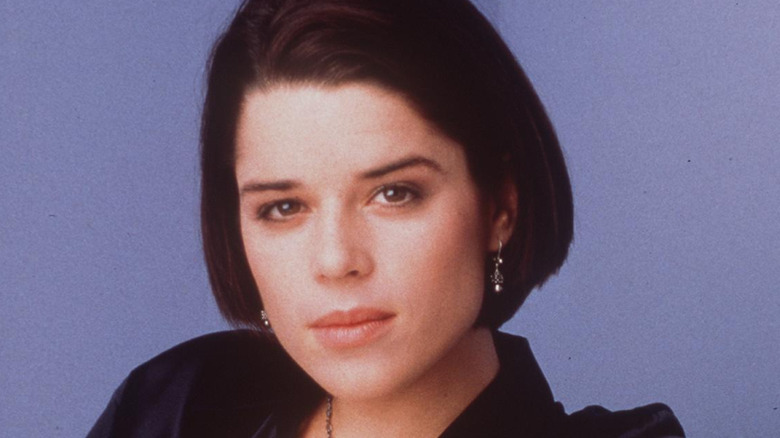
One well-known show that experienced a drastic genre change during its development period is Fox’s “Party of Five.” The series strapped career rockets to the backs of most of its stars, and its combination of teen drama and mature themes prepared the likes of Neve Campbell, Matthew Fox, Lacey Chabert, Jennifer Love Hewitt, Scott Wolf, and Scott Grimes for just about any genre that came later. Against this backdrop, it’s nothing short of outlandish to imagine that Fox originally pitched the series to co-creators Amy Lippman and Chris Keyser as a comedic, easygoing show where the hook was a group of siblings living their best life after the death of their parents — in other words, the same premise the show went on to use for drama.
“The network wanted a companion piece to ‘Beverly Hills, 90210,’ something that might be able to take over when it was done. [The idea was] ‘Don’t tell the babysitter that Mom and Dad are dead!'” Keyser described the original premise to Vulture.
The Party of Five creators immediately realized that the show would need to be a drama
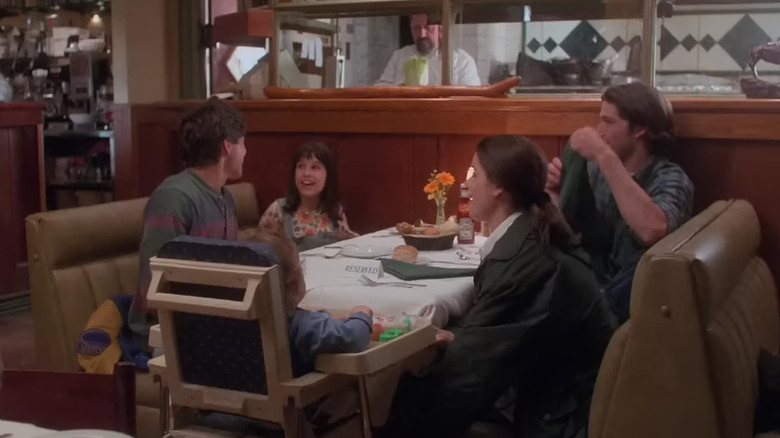
The people at Fox were profoundly uninterested in the “Party of Five” creators’ original show ideas, but they were prepared to hand them the “dead parents” premise. However, the more Lippman and Keyser thought about it, the less it made sense to go light like the network wanted. “‘Kids, living on their own! Having fun! No parents! Woo-hoo!’ And we thought, ‘This is a really depressing concept,'” Lippman described their approach. “We should mine how difficult that would be in reality. It wouldn’t be a lark. It would be about being thrust into the adult world prematurely.”
While the network approved Lippman and Keyser’s vision of what would become “Party of Five,” there was plenty of discussion about how to approach casting — for instance, Fox was quick to nix the idea that the oldest child would be female — as well as the show’s overall atmosphere. “The big conversation was about, who are these kids?” Keyser said. “And what is the tone of the show? We banked on the idea that it stuck with you and upset you, something that you couldn’t get over that easily, which was a weird thing for Fox.”
In the end, Keyser and Lippman got to make “Party of Five” a show that could explore far darker depths than your average teen drama would ever dare. The choice to feature serious themes certainly didn’t hurt the series, which enjoyed a memorable six-season run and a short-lived 2020 Freeform reboot.