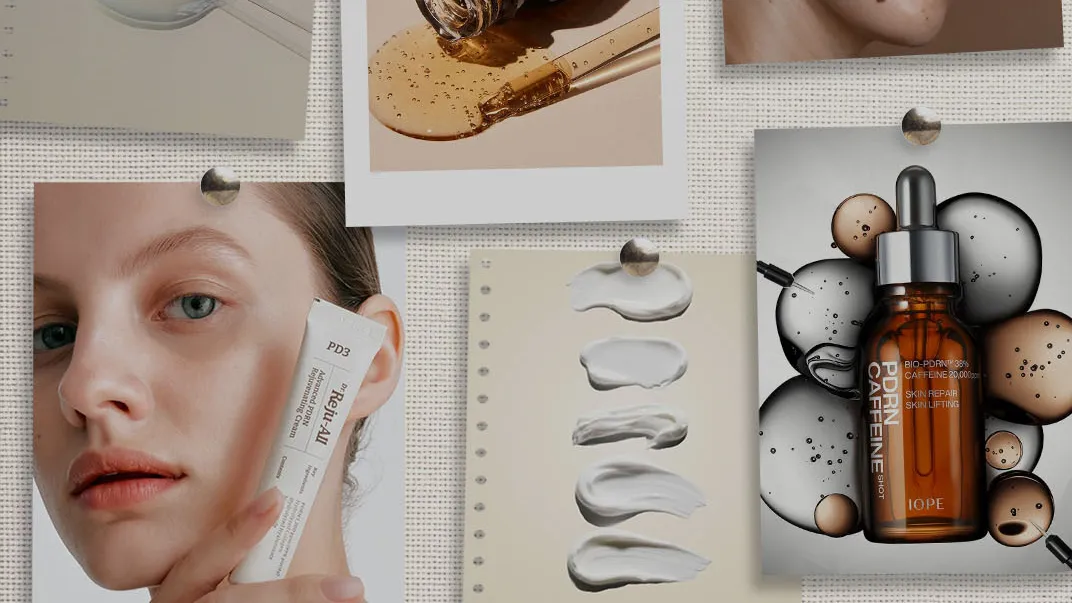
Anti-aging has gotten a rebrand as of late. Instead of trying to treat a skin concern—wrinkles, sagging skin, hyperpigmentation, etc—as soon as it pops up, everyone now is hyper-focused on treatments and products that prevent these concerns by rejuvenating skin from deep within. Not to mention, with the negative skin side effects caused by increased GLP-1 use, filler and aesthetic treatment fatigue, and better education on skincare as a whole, consumers are looking for routines that will consistently strengthen their skin barrier. Welcome to the regenerative skincare era.



Vogue’s Favorite Regenerative Skin-Care Products
Regenerative skincare is hardly new and in fact, today’s most popular regenerative ingredients come from K-beauty, where the skincare ethos has always been about prevention and boosting skin health. “The [Western] industry has had to move beyond traditional anti-aging and develop formulas that actively support the skin’s biological repair mechanisms,” says Sarah Chung Park, founder and CEO of Landing International and creator of K-Beauty World. “Not just mask the visible effects.”
“What’s especially appealing to Western consumers right now is the combination of innovation and accessibility,” adds Y. Claire Chang, MD, board-certified dermatologist at Union Derm. “Korean skin-care brands are quick to incorporate cutting-edge ingredients, like PDRN, peptides, and growth factors, into elegant, affordable formulations. K-beauty has a long-standing history of prioritizing skin barrier health and prevention, which aligns perfectly with the regenerative skin-care movement.”
PDRN, exosomes, and peptides are just a few of the buzzy regenerative ingredients that are trending everywhere as what were once found only in in-office treatments (salmon sperm facial, anyone?) are now infused in topical products. Park says these ingredients are stable, work at low concentrations, and, probably best of all, are tolerable for even the most sensitive skin, making them ideal for anyone looking to take care of their overall skin health. “Unlike something like a retinoid or an acid, they don’t require careful titration or cause irritation,” she says. “They signal the skin to repair itself rather than forcing a reaction.”
“The idea is not just treating the surface,” adds Dr. Chang. “But signaling the skin to renew.” Hooked yet? We know we are. If you don’t know where to start on your regenerative skincare journey, we’ve got you. Here are the top four ingredients experts say should be on your radar:
Peptides
Everyone is in their peptide era—and for good reason. Known as the “silent powerhouse,” Dr. Kim explains that peptides are chains of amino acids that help with collagen stimulation and skin firmness. They act as signaling molecules in the skin, Dr. Chang adds, and are designed to “tell” the skin to produce more collagen, reduce inflammation, or strengthen the skin barrier.