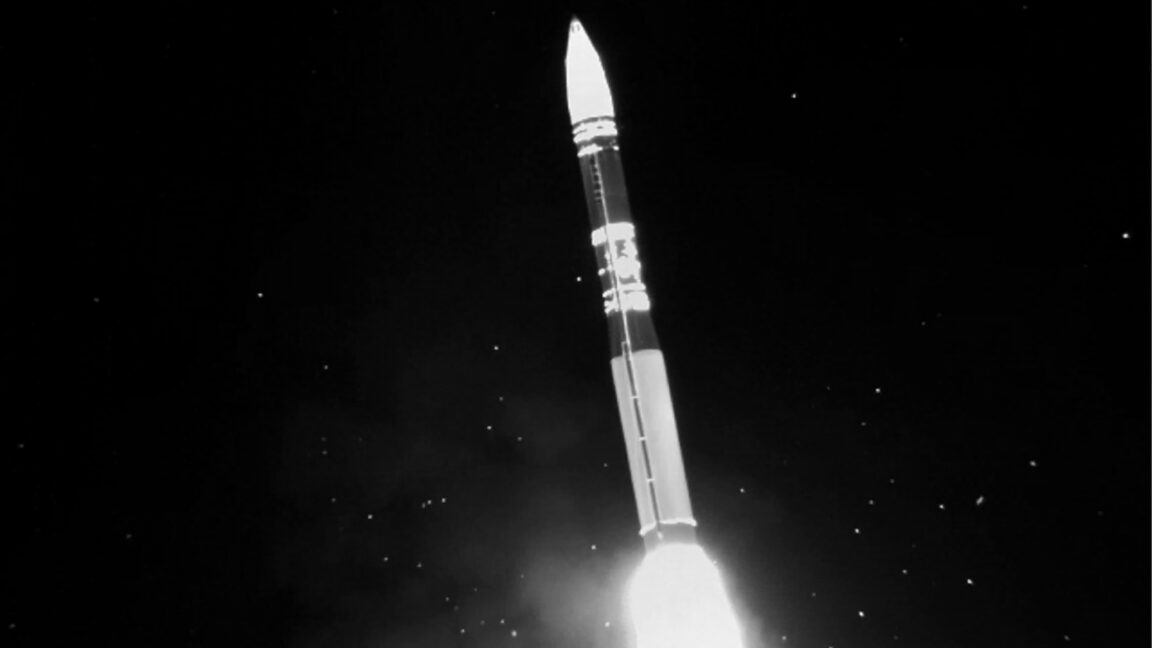
“We’ve gotten all the capability that we can out of the Minuteman,” said Gen. Stephen “S.L.” Davis, commander of Air Force Global Strike Command. Potential enemy threats to the Minuteman ICBM have “evolved significantly” since its initial deployment in the Cold War, Davis said.



The $141 billion figure is already out of date, as the Air Force announced last year that it would need to construct new silos for the Sentinel missile. The original plan was to adapt existing Minuteman III silos for the new weapons, but engineers determined that it would take too long and cost too much to modify the aging Minuteman facilities.
Instead, the Air Force, in partnership with contractors and the US Army Corps of Engineers, will dig hundreds of new holes across Colorado, Montana, Nebraska, North Dakota, and Wyoming. The new silos will include 24 new forward launch centers, three centralized wing command centers, and more than 5,000 miles of fiber connections to wire it all together, military and industry officials said.
Sentinel, which had its official start in 2016, will be the largest US government civil works project since the completion of the interstate highway system, and is the most complex acquisition program the Air Force has ever undertaken, wrote Sen. Roger Wicker (R-Mississippi) and Sen. Deb Fischer (R-Nebraska) in a 2024 op-ed published in the Wall Street Journal.
Gen. Dale White, the Pentagon’s director of critical major weapons systems, said Wednesday the Defense Department plans to complete a “restructuring” of the Sentinel program by the end of the year. Only then will an updated budget be made public.
The military stopped constructing new missile silos in the late 1960s and hasn’t developed a new ICBM since the 1980s. It shows.