


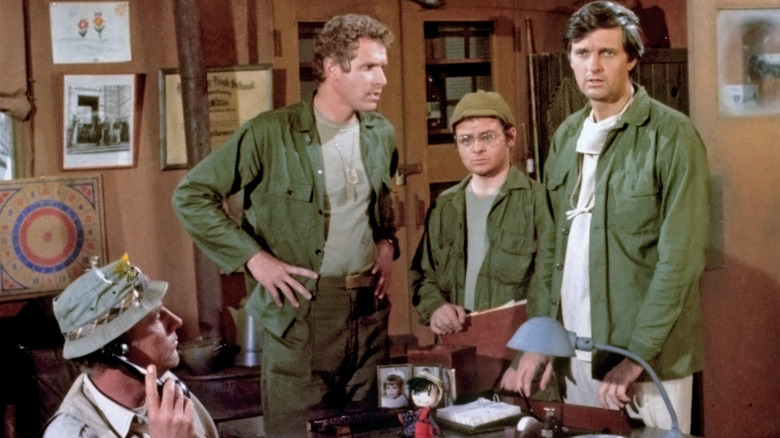
Few TV shows have ever dominated their eras — or changed the medium — like “M*A*S*H.” A defining show of the ’70s, the sitcom about a U.S. Army mobile hospital unit in the Korean War pushed boundaries during a golden age for sitcoms, helping to redefine what a half-hour series could be, while also completing owning the airwaves from more than a decade. And so, it was only natural that the studio powers at play would want to stretch that popularity as far as possible.
Enter, “Trapper John, M.D.” Those who’ve watched “M*A*S*H” will be familiar with the character of “Trapper” John McIntyre, played by Wayne Rogers through the show’s first three seasons. The series that bears the character’s name began in 1979, running in tandem on CBS with the eighth season of “M*A*S*H.” At the time, Trapper had been gone from the flagship series for half a decade, but the spin-off series succeeded nonetheless, running for seven seasons before coming to an end in 1986.
While still a medical series, the premise and format of “Trapper John” is quite different from its progenitor. Rather than a period piece, the show is set contemporarily in the era in which it aired, following a much older Trapper (played by Pernell Roberts) in his role as Chief of Surgery at San Francisco Memorial Hospital. The show played as an hour-long medical drama, rather than the half-hour comedy format of “M*A*S*H.” And while it was quickly overshadowed by the more modern wave of medical dramas that kicked off with “ER,” this oft-forgotten series deserves some credit, if for no other reason than because it was the only successful “M*A*S*H” spin-off.
Trapper John, M.D. is a curious case
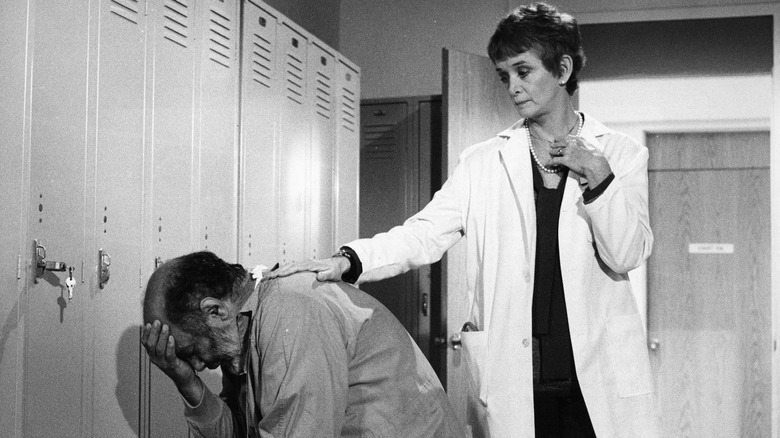
Seven seasons and 151 episodes is an impressive mark for any TV show. But with “M*A*S*H” still the more popular show on CBS through its conclusion in 1983 — a conclusion that still reigns as one of the most-watched TV events of all time — “Trapper John” was always the less famous younger sibling.
Then again, the spin-off’s actual relation to “M*A*S*H” is somewhat questionable. Numerous reports claim that the original show’s producers attempted to sue for partial royalties of “Trapper John,” holding that it was based on the character from the show, and therefore intellectual property that they had helped develop. The account that’s been repeated over the years is that a judge ruled in favor of the spin-off, declaring it an adaptation of the 1970 “M*A*S*H” movie, rather than the show. While TVLine was unable to confirm the actual court case, Ingo Preminger, producer of the film, did win a suit seeking compensation in 1987. When the purportedly failed suit from the “M*A*S*H” TV producers was brought up to “Trapper John” co-star Gregory Harrison in a 2025 episode of the Classic Conversations podcast, he said he had no knowledge of it.
Claiming that “Trapper John” was only spun off from the movie, rather than the “M*A*S*H” show, is a bit strange, as framed photographs from the first episode clearly show Alan Alda’s Hawkeye Pierce from the TV series and Wayne Rogers’ version of Trapper, rather than the one played by Elliott Gould in the movie. Regardless, “Trapper John” rarely focused on its tether to the other show and went largely in a different creative direction.
Trapper John succeeded where other M*A*S*H spin-offs failed
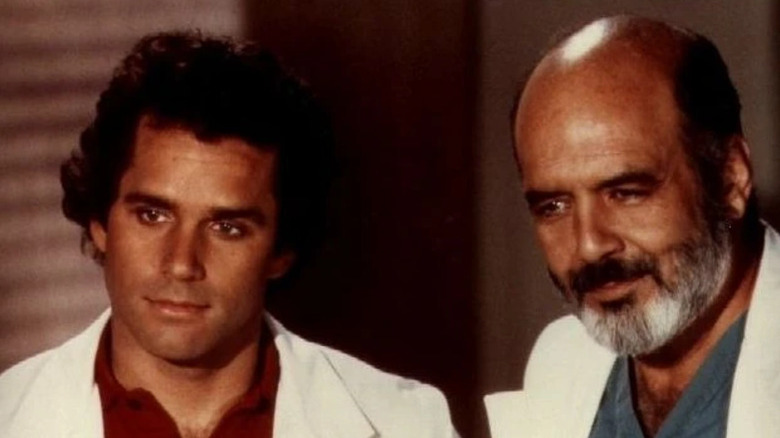
In some ways, “Trapper John, M.D.” being so detached from the “M*A*S*H” juggernaut may have worked to its benefit. At the very least, the show had a far better run than any of the more direct attempts at spin-offs from the original show.
The most infamous of those, “AfterMASH,” ran for just two seasons from 1983-1985. Pitched as a directed sequel, the show featured three core characters from the original — Colonel Potter (Harry Morgan), Max Klinger (Jamie Farr), and Father Mulcahy (William Christopher), all of whom wind up working at a veterans’ hospital in the wake of the Korean War. Despite its best efforts, though, the series failed to convert the massive viewership of “M*A*S*H” for another go-round, and it’s largely viewed as a failure, though some retrospective appraisals give it a bit more grace.
Midway through the brief run of “AfterMASH,” CBS tried another spin-off called “W*A*L*T*E*R,” starring Gary Burghoff as popular “M*A*S*H” character Walter “Radar” O’Reilly in a post-war life as a police officer, but the pilot never got picked up.
Both shows did their best to directly bring in fans of “M*A*S*H” only to fall woefully short. In the end, while few talk about it now, “Trapper John, M.D.” was the real success story.