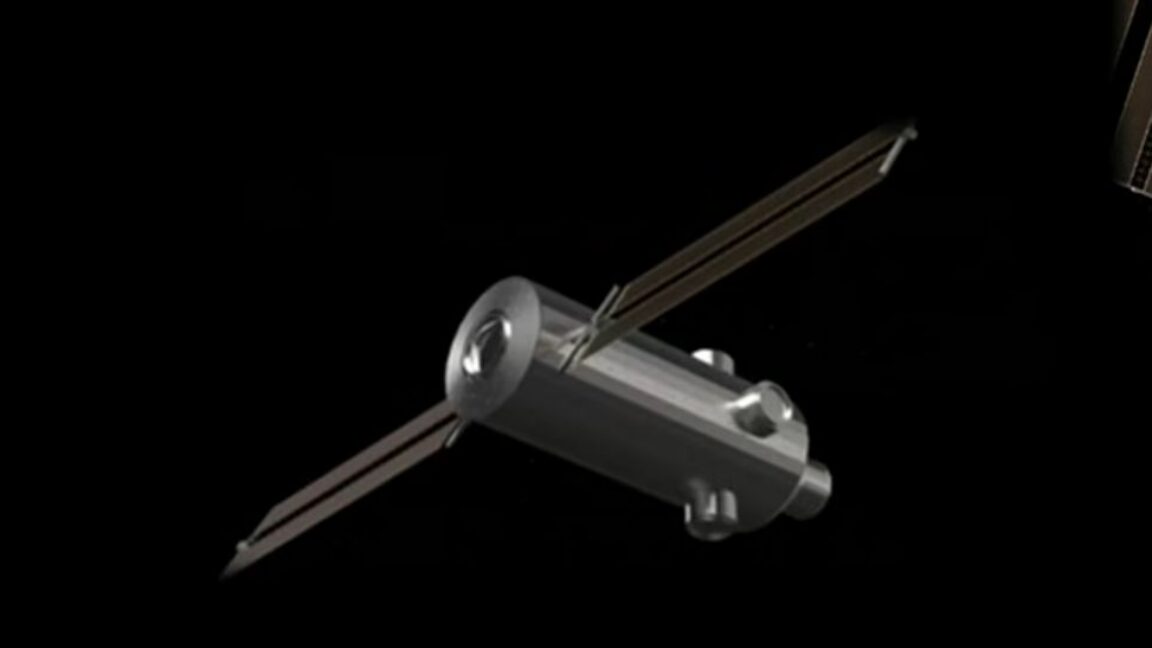
After speaking with a number of officials both in industry and the government, here’s an overview of what I believe is happening.



How we got here
NASA has never been good at transitions, be it from the end of Apollo to the space shuttle or the painful period from 2011 to 2020 when the shuttle stopped flying and the US space agency had to turn, hat in hand, to Russia to get its astronauts to the International Space Station.
As far back as 2018, then-NASA Administrator Jim Bridenstine was sounding the alarm about the need to find a replacement for the space station if the United States wanted to maintain an ongoing human presence in low-Earth orbit. By December 2021, NASA had established support, generally at the level of a few hundred million dollars, for four different companies to work on developing private stations: Axiom Space, Blue Origin, Nanoracks (later became Voyager), and Northrop Grumman (which later withdrew).
Since then, each company has substantially modified its approach, and a new player, Vast Space, has entered the competition. All were waiting for clarity from NASA on what, exactly, it wanted. This would come as part of a “requirements” document that would kick off a second round of competition. It was generally expected that this second phase would winnow the competition to two private vendors. NASA intended to help the companies develop their stations with funding and expertise and then become one of several customers.
Since 2021, the companies have faced a series of difficulties, and from the outside, it was never clear that any were on track to have a viable, independent station by 2030, when NASA intended to deorbit the space station.
At the same time, the US space agency has dragged its feet on initiating the second phase of the competition. Then, last August, the acting director of NASA, Sean Duffy, issued a “directive” that brought significant revisions to the program. Almost immediately, though, it seemed like key elements of this directive might be walked back, leading to additional months of confusion.