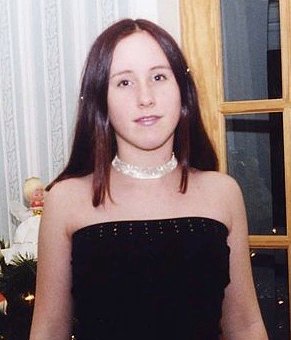
Nicola Ann Raphael was a Scottish schoolgirl whose life became the focus of a national conversation about bullying after her death in 2001.
Born on September 10, 1985, Nicola was the only daughter of David and Rona Raphael. She grew up in Lenzie and Kirkintilloch with her two older brothers, David and Christopher, and attended Millersneuk Primary School before moving on to Lenzie Academy.
Nicola was known for her interest in goth music and fashion. She chose to express herself through the clothes and style she enjoyed, but according to allegations that later emerged, this made her a target for persistent bullying at school.
The bullying was not believed to have been a brief or isolated problem. Information later gathered in connection with legal action indicated that allegations of mistreatment stretched back more than three years.
For Nicola’s family, what had happened to her raised painful questions about how long the bullying had been going on and whether enough had been done to protect her.
Nicola’s Final Days
In June 2001, Nicola was 15 years old.
During the early hours of June 23, she took an overdose of medication belonging to her mother. She then went to bed.
Later that day, Rona initially believed that her daughter had simply slept late. When she went to check on Nicola, however, she found her unresponsive.
Nicola was pronounced dead the following day, June 24, 2001.
Her death devastated her family and quickly attracted attention beyond the local community.
The allegations that Nicola had endured years of bullying because of her appearance and musical interests prompted widespread discussion about the treatment of young people who were considered different by their peers.
Bullying Becomes a National Issue
Nicola’s case came at a time when mobile phones and text messaging were becoming an increasingly common part of teenage life.
Her story was therefore also associated with some of the early media attention surrounding bullying carried out through mobile phones.
The case received coverage in both Scottish and national newspapers. It was later referenced by the Daily Record as part of the newspaper’s campaign against bullying and violence affecting children.
Nicola’s death also reached the Scottish Parliament.
Politicians used her case when discussing the need for schools to take bullying more seriously and to improve the systems available to children who were being targeted.
Her family maintained that Nicola’s experience should not simply be remembered as an individual tragedy. They wanted greater attention given to the wider problem of bullying and the responsibility of schools to respond when children report it.
Questions About the School
Following Nicola’s death, attention turned toward the anti-bullying policies at Lenzie Academy and across East Dunbartonshire.
Scottish Parliament member Brian Fitzpatrick became involved in calls for the school’s policies to be reviewed. He also met with the school’s rector and welcomed plans to strengthen mentoring arrangements.
The wider education authority also committed to examining how schools handled allegations of bullying.
The central issue was consistency.
Families needed to know who was responsible for dealing with reports of bullying, how complaints should be followed up, and what steps would be taken to protect students who were being targeted.
Nicola’s case became one of the tragedies that intensified those discussions.
The Pain Continued After Her Death
For Nicola’s family, the aftermath did not bring an immediate end to their suffering.
After the anniversary of her death, police investigated reports of vandalism and theft at Nicola’s grave.
Her mother believed that the hostility directed toward Nicola during her lifetime had continued in another form even after her daughter’s death.
The situation added another layer of grief to an already devastating loss.
Nicola’s story was later discussed alongside other cases involving young people who had experienced bullying. Some commentators viewed her death as an early warning about the potentially devastating consequences of hostility toward people who did not conform to the expectations of their peers.
Years later, the death of Sophie Lancaster would lead to renewed discussion about violence and hatred directed at people associated with alternative and goth subcultures.
A Mother Speaks Out
Nicola’s mother continued speaking publicly about what her daughter had experienced.
In 2003, Nicola’s story was included in an episode of the television programme Tonight that examined the rise of bullying among girls.
The programme included interviews with both victims and people accused of bullying, attempting to explore different perspectives on the issue.
Rona spoke about Nicola’s experiences and questioned whether young people who bullied others could truly understand how serious the consequences of their actions could become.
For her, the issue was deeply personal.
She had lost her daughter, and no explanation could change that.
Nicola’s Organ Donation Legacy
Amid the tragedy, Nicola’s family made the decision to donate her organs.
Nicola had reportedly carried a donor card for several years, and her family wanted her wishes to be respected.
Her donation eventually helped other people live.
The Raphael family later became involved in NHS organ-donation campaigns. Their story was also featured in a BBC documentary about organ donation, where they met Jack, a young recipient who had benefited from transplantation.
One particularly remarkable part of Nicola’s donation story involved her heart. It was preserved and was later used to help save the life of a toddler more than three years after Nicola’s death.
For a family experiencing an unimaginable loss, knowing that part of Nicola had helped another child survive provided a lasting connection to her life.
Turning Grief Into Action
Nicola’s friend Ashley also decided that something needed to be done about bullying.
Rather than allowing Nicola’s story to disappear from public attention, Ashley created an anti-bullying website and offered a way for young people to share their own experiences.
The response was far greater than expected.
Messages came from people who were being bullied but were too frightened or embarrassed to tell an adult. Ashley was shocked by the number of stories she received and began considering how the information could be used to draw greater attention to the scale of bullying.
The effort eventually developed into a broader campaign calling for action from politicians and local authorities.
Anti-bullying campaigner Tim Field was among those who became involved in the wider discussion surrounding Nicola’s case. Some people used the term “bullycide” when describing deaths they believed were connected to prolonged bullying.
Remembering Nicola
Nicola Ann Raphael was only 15 when her life ended.
She was a daughter, a sister and a friend who had interests and a personal style that made her happy. Her death transformed her from a relatively unknown schoolgirl into a symbol in Scotland’s continuing discussion about bullying and the responsibility of schools to protect vulnerable students.
Her story also left a different kind of legacy.
Through organ donation, Nicola helped give other people a chance to live. Through the campaign created by her friend and the public discussions that followed, her name became connected to efforts to make young people take bullying more seriously.
Nicola’s story remains a reminder that bullying is not simply harmless teasing or something young people should be expected to endure.
For the people who loved her, the most important part of her story is not how she died.
It is that she was here, that she mattered, and that her family and friends continued working to ensure that what happened to her would not be ignored.
This story is based on publicly available information and reported facts. It has been independently written and presented for informational purposes. Images, if any, belong to their respective owners.